Cooper Union's Foundation Building: The Free School That Pointed Toward the Skyscraper
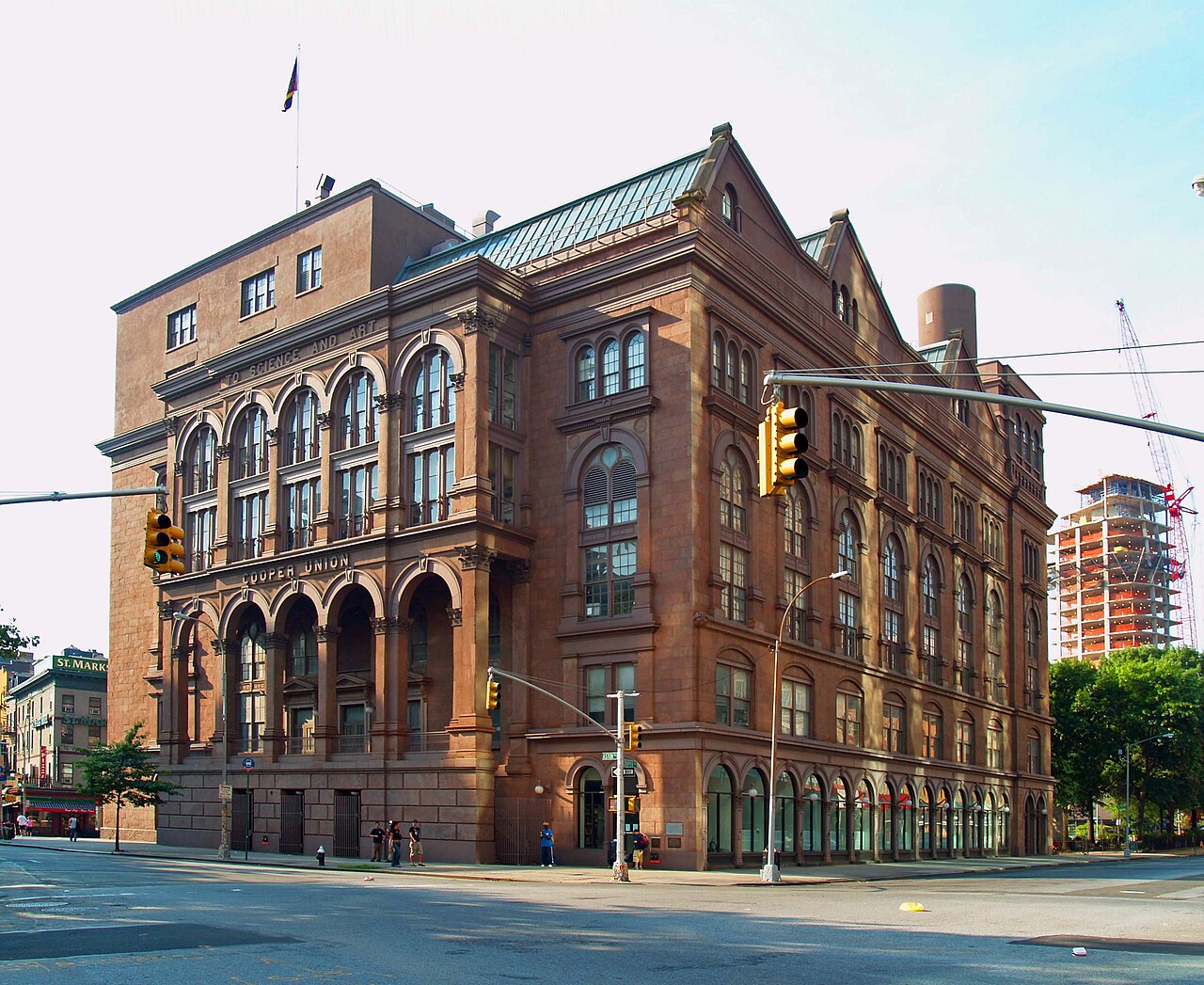
The Foundation Building at Cooper Square. Photograph by David Shankbone, via Wikimedia Commons. CC BY-SA 3.0.
The brownstone building at Cooper Square looks modest next to the glass towers that now crowd Astor Place, but it holds two firsts in American building history. According to the New York City Landmarks Preservation Commission, it was the first structure in the country to use rolled wrought-iron beams, the ancestors of the steel skeletons that made skyscrapers possible. And it was designed with a round elevator shaft years before a safe passenger elevator existed to put in it.
The man behind it was Peter Cooper, an industrialist who had made his fortune in glue, iron and railroads and believed education should be free to anyone willing to work for it. He founded the Cooper Union for the Advancement of Science and Art as a free school, open to women as well as men, and put up its home between 1853 and 1859. His architect was Frederick A. Peterson, who gave the six-story building the sober round-arched manner then called Anglo-Italianate.
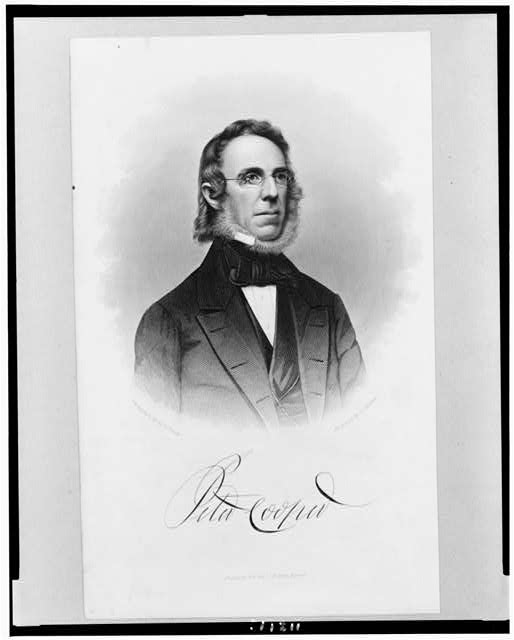
The iron beams were Cooper's own contribution. The Landmarks Preservation Commission reports that he had them rolled at his Trenton, New Jersey, ironworks, the first time rolled wrought-iron structural beams were used in an American building. The elevator shaft was a bet on the future: Cooper expected someone to invent a safe passenger elevator, and the shaft stood ready. Elisha Otis obliged not long after.
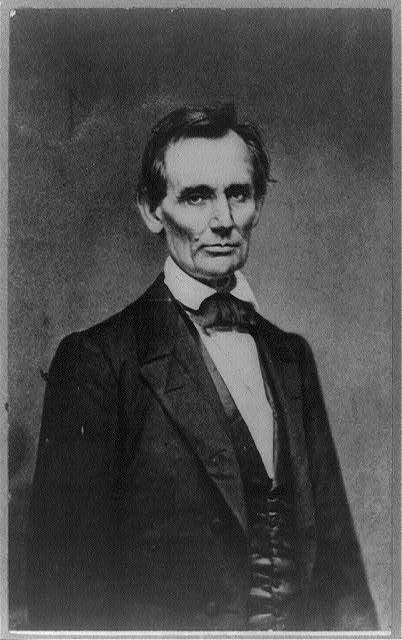
The building's most famous room is the Great Hall, an auditorium in its basement level that became one of the country's great platforms for public speech. Its most consequential evening came on February 27, 1860, when a little-known Illinois politician named Abraham Lincoln spoke there against the spread of slavery. The address, researched for weeks and delivered to a packed house, made Lincoln's reputation in the East; he later credited it with helping win him the presidency, as Cooper Union's own history recounts. Earlier that day he sat for Mathew Brady's camera, producing one of the most famous portraits in American photography.
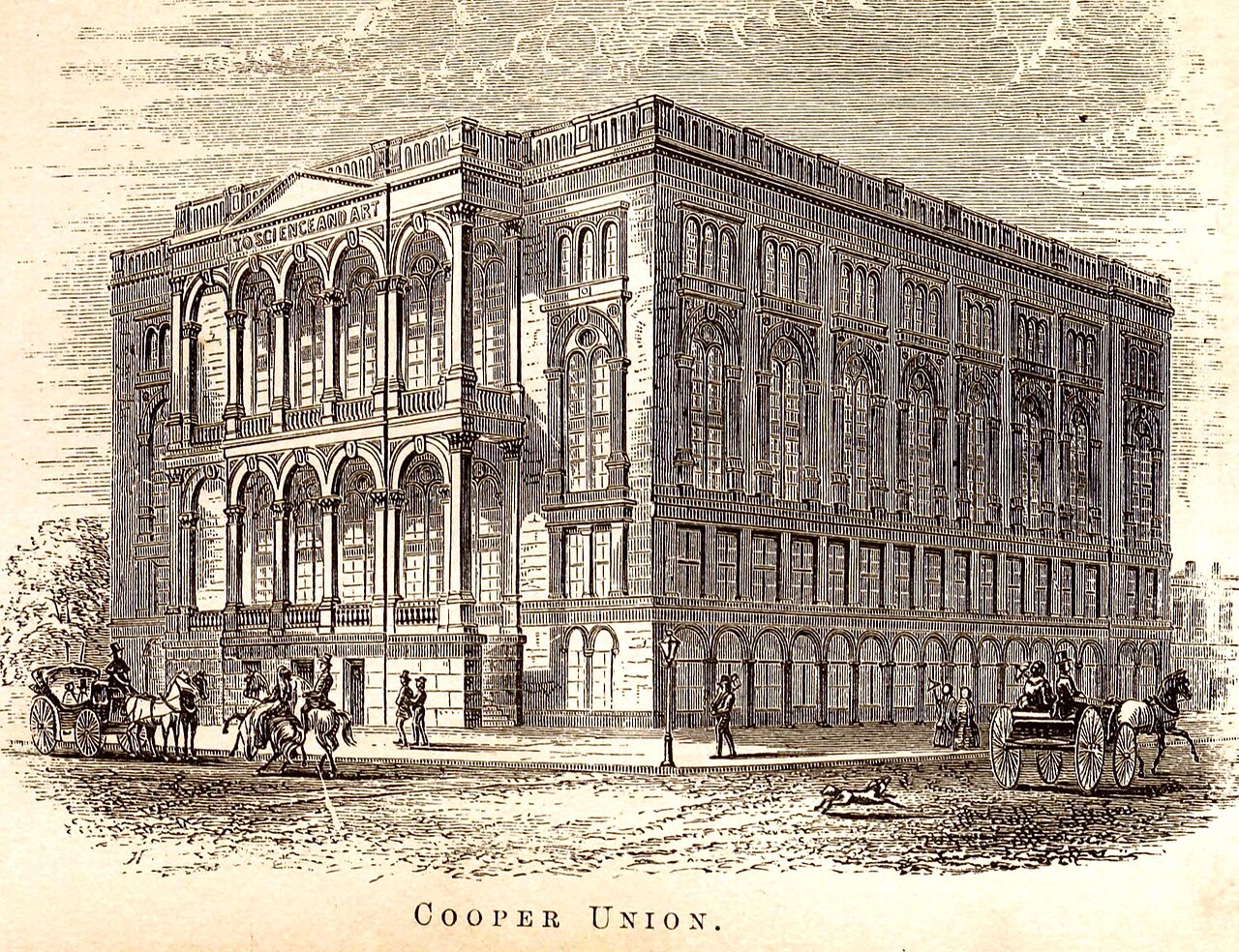
The Foundation Building in an engraving from Miller's "New York As It Is," 1860s. New York Public Library, via Wikimedia Commons. Public domain.
The school itself kept its founder's promise for generations. Cooper Union charged no tuition for more than a century, supporting its students through the endowment Cooper left behind, including the land under the Chrysler Building. The strain finally broke the model: in 2013 the board announced that, for the first time in more than a century, the school would charge undergraduates tuition, beginning with the class entering in 2014, as The New York Times reported.
The building was among the first structures the young Landmarks Preservation Commission protected, designated a New York City landmark on March 15, 1966. Five years earlier, in 1961, the federal government had named it a National Historic Landmark.
Who owns the Cooper Union Foundation Building today?
Cooper Union does. The college Peter Cooper founded still owns and occupies the Foundation Building, nearly 170 years after it opened. The Great Hall still hosts public lectures and debates, and the school's art, architecture and engineering students still pass through the brownstone arches on Cooper Square.
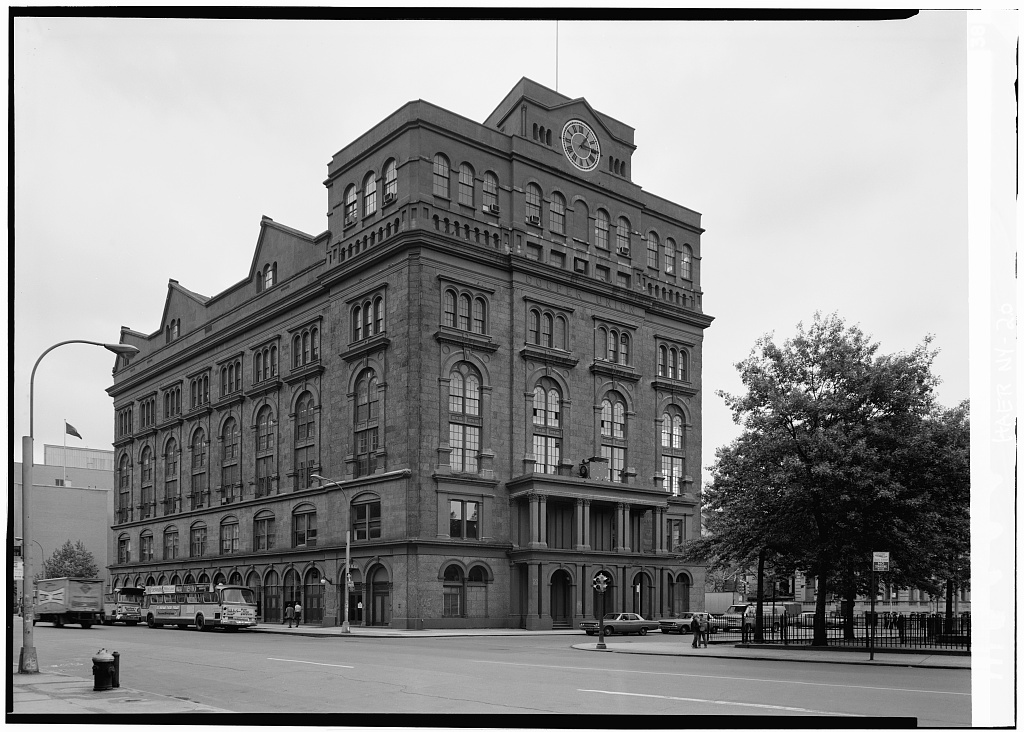
The Foundation Building, photographed for the Historic American Buildings Survey. Library of Congress. Public domain.
Sources
- NYC Landmarks Preservation Commission, Foundation Building designation report (1966)
- National Park Service, noting the Foundation Building's 1961 National Historic Landmark designation
- Cooper Union, "Abraham Lincoln at The Cooper Union"
- Cooper Union, "Great Hall History"
- The New York Times, "Cooper Union Will Charge Tuition in 2014"
- Wikimedia Commons, Foundation Building by David Shankbone (CC BY-SA 3.0)
- Library of Congress, portrait of Peter Cooper (public domain)
- Library of Congress, Brady photograph of Lincoln (public domain)
- Wikimedia Commons, engraving from Miller's "New York As It Is" (public domain)
- Library of Congress, Historic American Buildings Survey photographs (public domain)

.jpg)