The Ansonia: A Soundproof Home for Musicians on Broadway
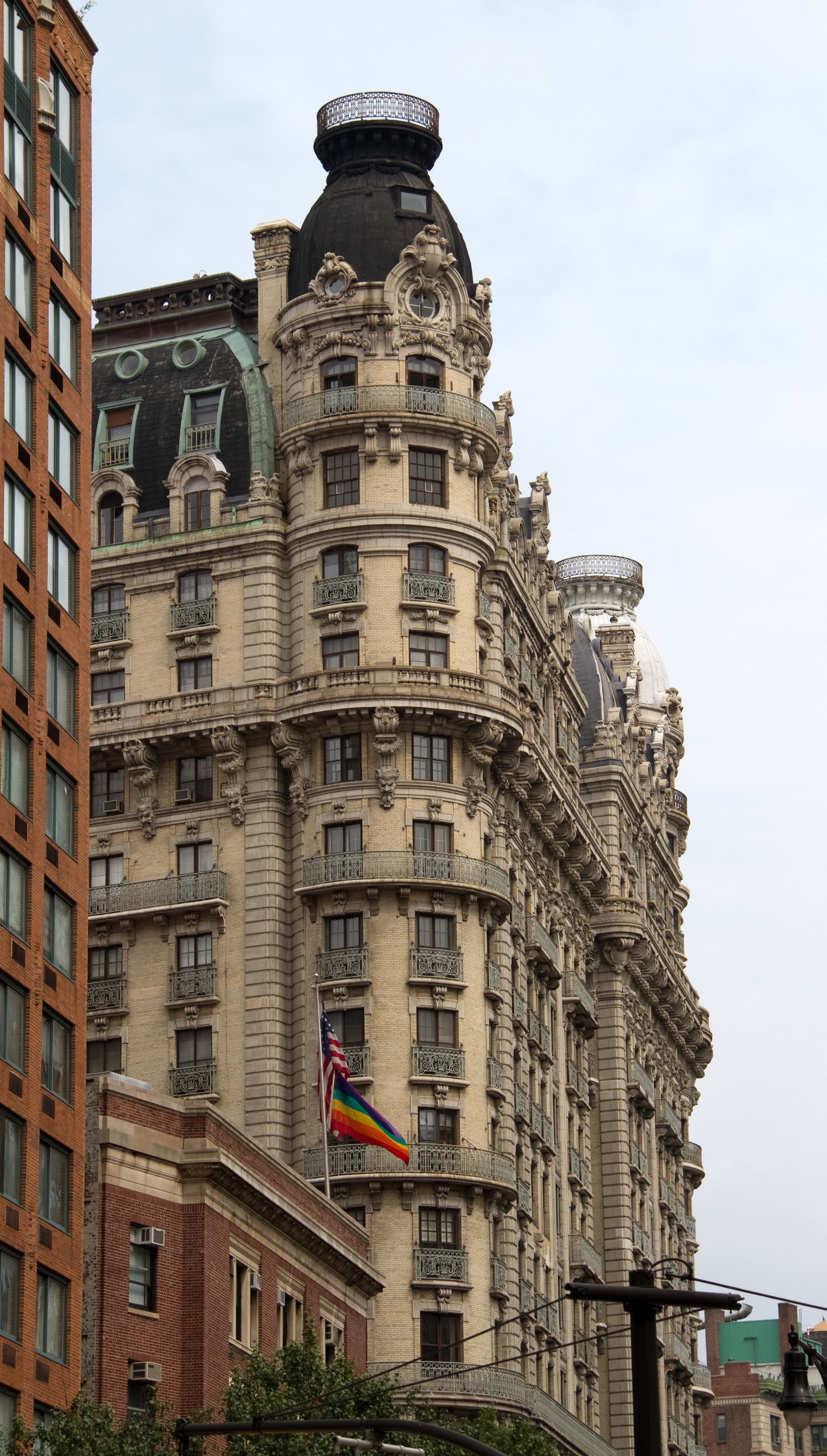
The Ansonia at Broadway and 73rd Street in 2011. Photograph by Tony Hisgett, via Wikimedia Commons. CC BY 2.0.
The Ansonia fills the entire blockfront on the west side of Broadway between 73rd and 74th Streets, seventeen stories of limestone, brick and terra cotta crowned by a three-story convex mansard roof. When it was finished in 1904, with more than three hundred suites, it was one of the largest apartment-hotels in the world. The Landmarks Preservation Commission calls its style grand French Beaux Arts, and its corner towers, with their domes and railings, are still among the most recognizable silhouettes on the Upper West Side.
The builder was William Earl Dodge Stokes, one of the leading developers of Riverside Drive and the Upper West Side. His fortune came from his father, James Stokes, a partner in Phelps, Dodge & Co., and the hotel's name came from Ansonia, Connecticut, where Stokes spent many summers; the town itself had been named for his maternal grandfather, Anson Greene Phelps, founder of the Ansonia Brass & Copper Company. Stokes hired a French architect, Paul E. M. DuBoy, who designed the building to his specific instructions, and built it through his own Onward Construction Company, which he superintended in person.
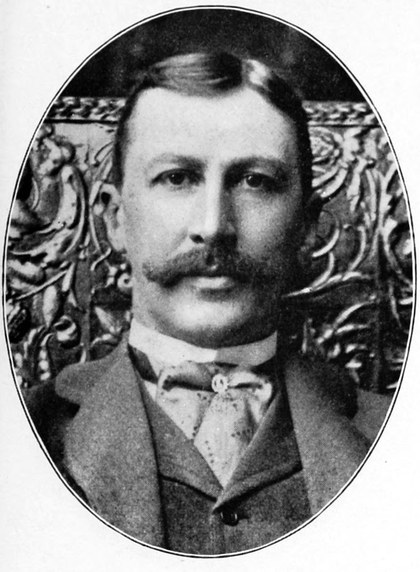
Stokes was ahead of his time in practical ways. An early advocate of fireproofing, he insisted on all-masonry construction and unusually thick interior partitions, which made the rooms virtually soundproof. To guarantee quality, he had the terra cotta ornament made at a plant he owned in Perth Amboy, New Jersey, under a manager brought over from France, and the elevators installed by a firm he owned in Worcester, Massachusetts.
The amenities were unlike anything else in the city. The Museum of the City of New York counts 1,400 rooms and 340 suites, pneumatic tubes carrying messages through the walls, a basement pool that was then the world's largest indoor pool, a freezing brine system in the walls that made the Ansonia the city's first air-conditioned hotel, and an art curator who assembled some 600 paintings. On the roof Stokes kept a working farm - chickens, ducks and goats - and bellhops delivered fresh eggs to the tenants, until the health department shut the farm down.
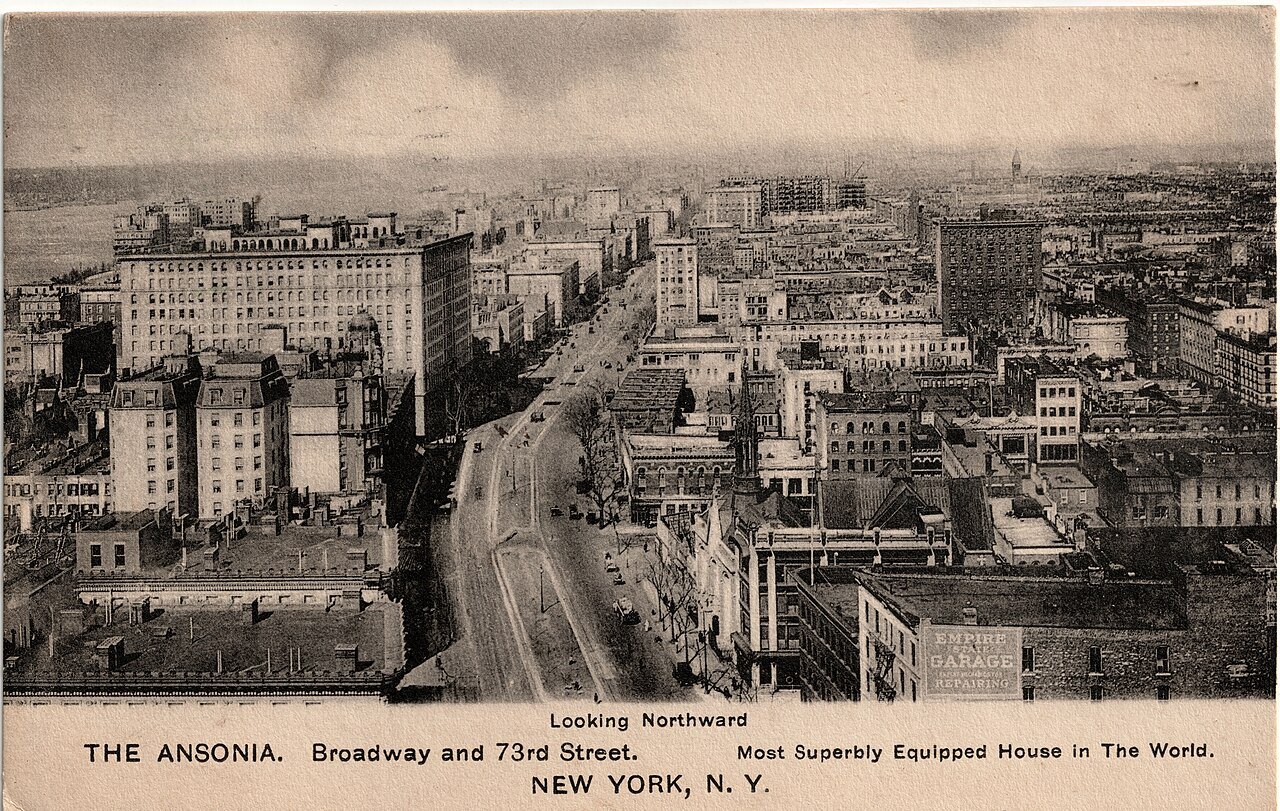
The Ansonia, looking north along Broadway, 1911. Public domain.
Those thick walls made the Ansonia famous in a way Stokes could not have planned: it became a residence for musicians. The Commission's list of tenants reads like an opera program - Enrico Caruso, Feodor Chaliapin, Geraldine Farrar, Lauritz Melchior, Yehudi Menuhin, Ezio Pinza, Lily Pons, Tito Schipa, Igor Stravinsky and Arturo Toscanini, along with theatrical names such as Billie Burke and Florenz Ziegfeld and the author Theodore Dreiser. It was one of the few buildings in New York where musicians could practice or give lessons without disturbing their neighbors, and with Lincoln Center five blocks away, that tradition continued for decades.
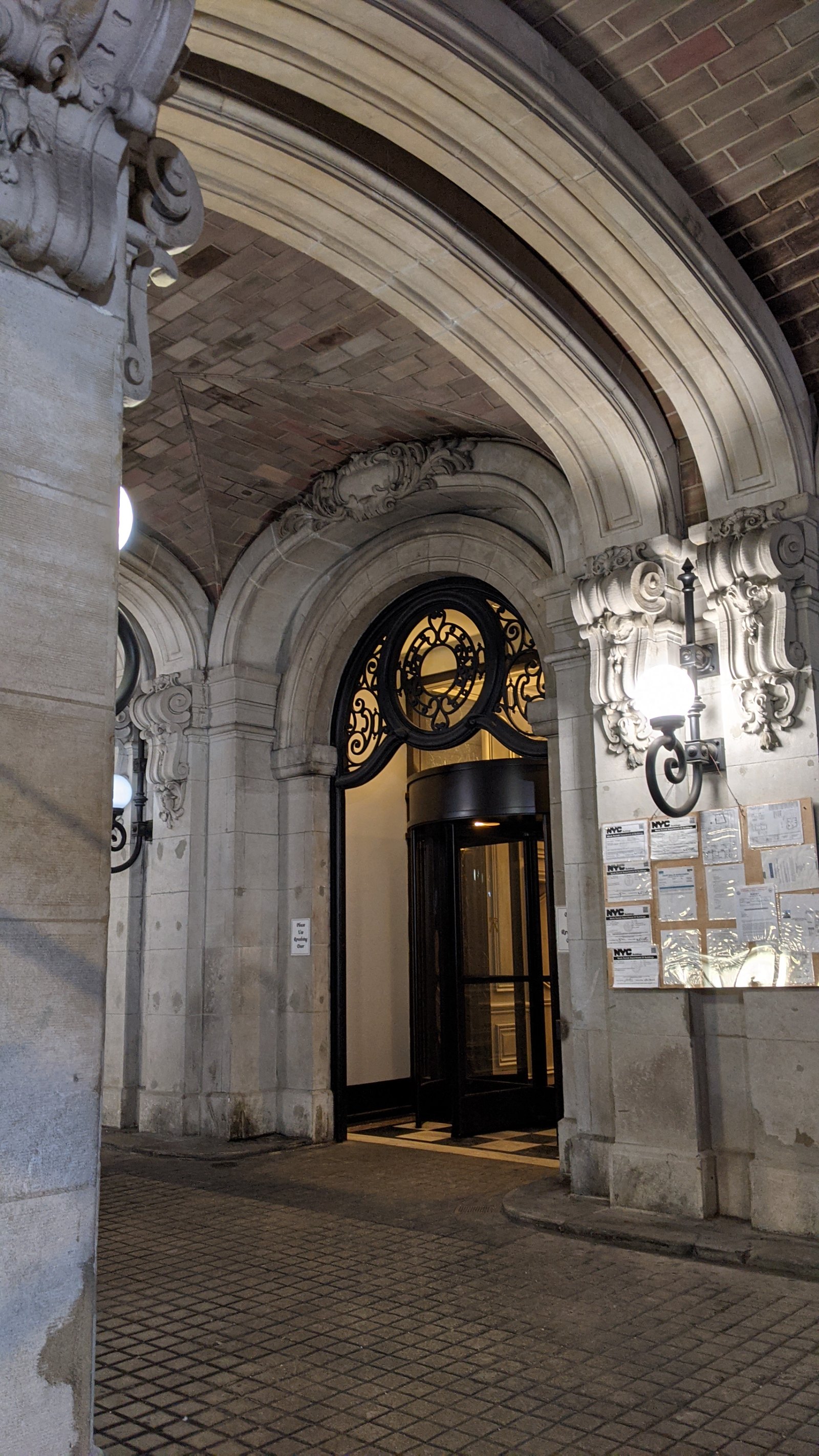
The Broadway entrance, 2021. Photograph by PortableNYCTours, via Wikimedia Commons. CC BY-SA 4.0.
The later twentieth century was less kind. Stokes died in 1926, and his son eventually sold the building in 1945 to Samuel Bronxmeyer, a landlord with a poor reputation. The strangest chapter unfolded underground: in 1968 the abandoned basement pool was rented to Steve Ostrow, who turned it into the Continental Baths, a gay bathhouse whose cabaret presented young performers named Bette Midler, Barry Manilow and Patti Labelle. The baths closed in 1977 and the space became Plato's Retreat, a swingers' club, which the city shut down in the AIDS epidemic; it served its final patrons on the afternoon of New Year's Eve 1985.
The exterior, meanwhile, was saved in a fight. When the Landmarks Preservation Commission proposed designation, the owner objected, but the Commission received petitions signed by roughly 25,770 people in favor. It designated the Ansonia a New York City landmark on March 14, 1972, noting that despite removed cupolas and altered shop fronts, the building's effect remained one of "joyous exuberance profiled against the sky." It was added to the National Register of Historic Places in 1980.
Who owns the Ansonia today?
Its residents do. After a five-year struggle between the owners, Ansonia Associates, and the building's tenants, The New York Times reported in 1990 on the plan to convert the apartment hotel into a condominium. The offering plan took effect in 1992, and the Ansonia has been a condominium ever since, its apartments individually owned. Some tenants stayed on as renters under the settlement, a last echo of the building's hotel days.
More than 120 years after Stokes watched his hotel rise over Broadway, the mansards and corner towers survive almost exactly as DuBoy drew them. The musicians, the farm animals and the bathhouse crowds are gone, but the building still does what it was built to do: house New Yorkers, soundproofed, in the middle of everything.
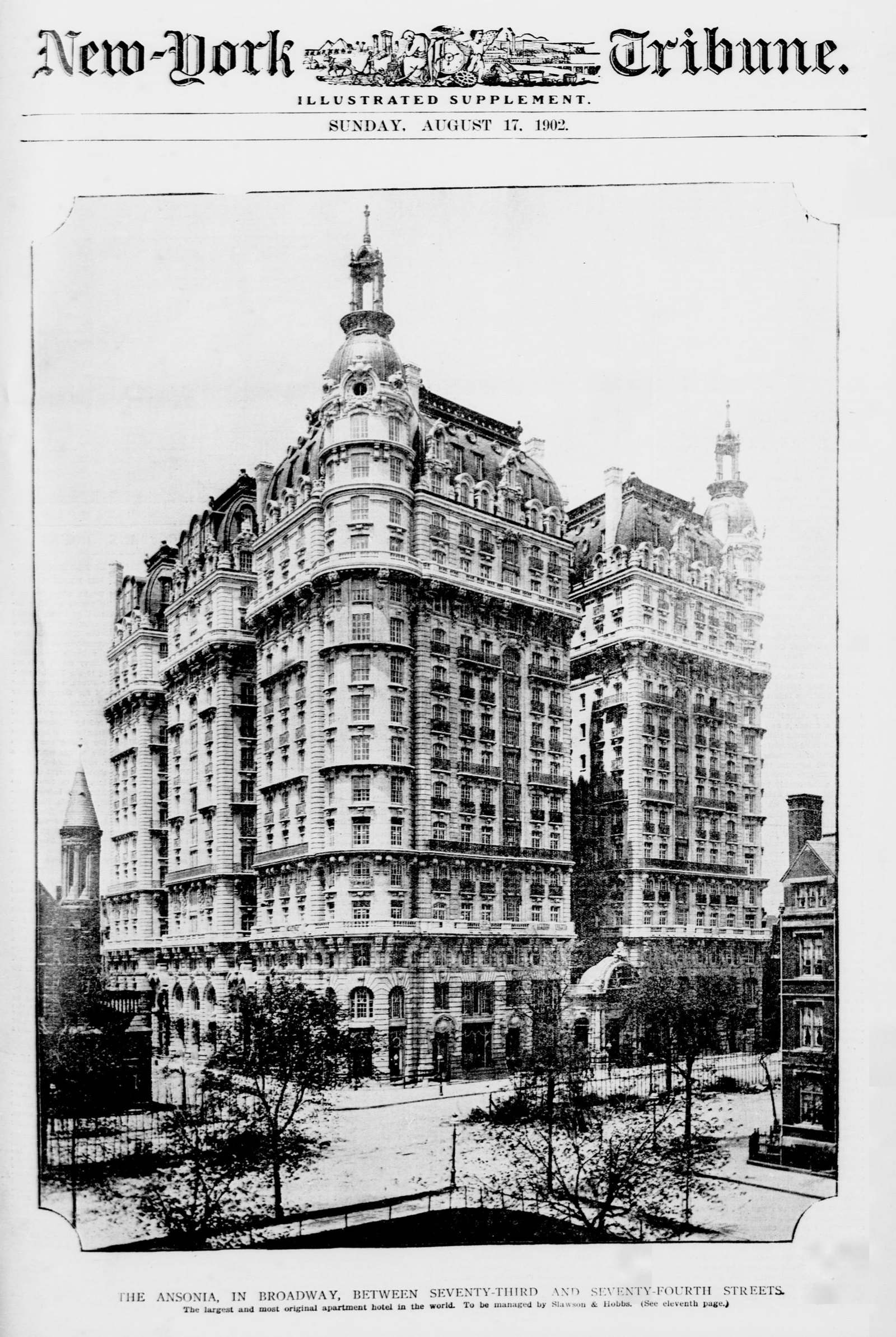
The Ansonia on the cover of the New-York Tribune’s illustrated supplement, August 17, 1902, while the hotel was still under construction. Library of Congress. No known restrictions.
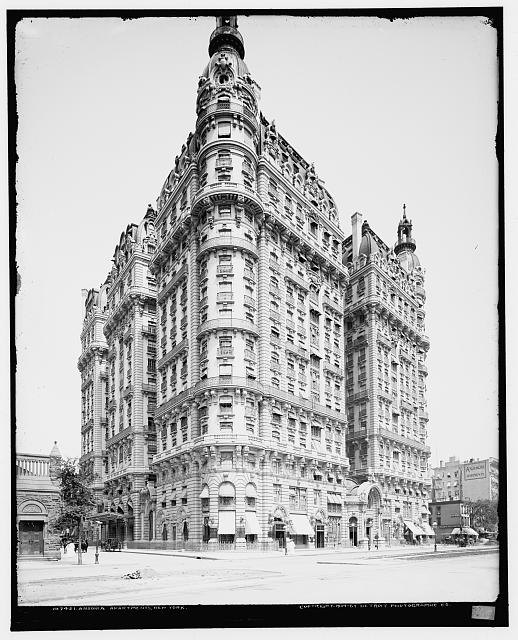
The Ansonia in 1904, the year it was completed. Detroit Publishing Co. Library of Congress, Prints & Photographs Division. Public domain.
Sources
- NYC Landmarks Preservation Commission, Ansonia Hotel designation report (1972)
- Museum of the City of New York, "Basement Bathhouse, Rooftop Farm, Symphonies and Scandals in Between"
- The New York Times, "A Troubled Transition for the Ansonia" (1990)
- National Park Service, National Register listing for the Ansonia Hotel
- Newsday, "Made-over grande dame set for coming-out party" (1996)
- Wikimedia Commons, the Ansonia by Tony Hisgett (CC BY 2.0)
- Wikimedia Commons, portrait of William Earl Dodge Stokes (public domain)
- Wikimedia Commons, the Ansonia in 1911 (public domain)
- Wikimedia Commons, entrance detail by PortableNYCTours (CC BY-SA 4.0)
- Wikimedia Commons, New-York Tribune cover (1902, Library of Congress)
- Library of Congress, Detroit Publishing Co. photograph of the Ansonia (1904)
.jpg)


