The Statue of Liberty: A French Gift That Americans Had to Finish Paying For
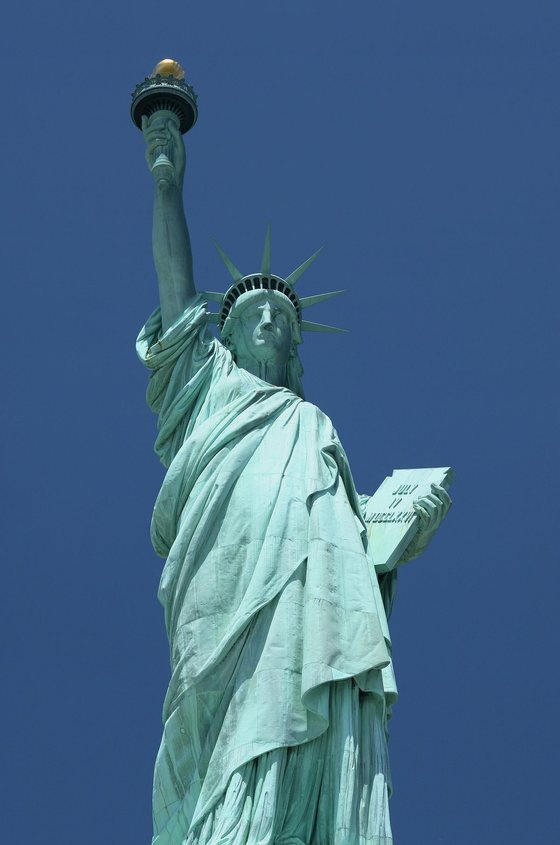
The Statue of Liberty is the most visited symbol of New York City, and it has a longer paper trail than most buildings. It began as a French idea in 1865, took more than a decade to make in Paris, and nearly stalled on the New York side when the money for its base ran out.
The National Park Service says the idea came in 1865 from Edouard de Laboulaye, a French political thinker and anti-slavery activist, who proposed a statue of liberty to honor the United States' centennial of independence and the friendship between the two countries. The sculptor Auguste Bartholdi backed the idea and in 1870 began designing "Liberty Enlightening the World." On a trip in 1871 he chose Bedloe's Island as the site. It was small, but every ship entering New York Harbor passed it, and Bartholdi saw it as the "gateway to America."
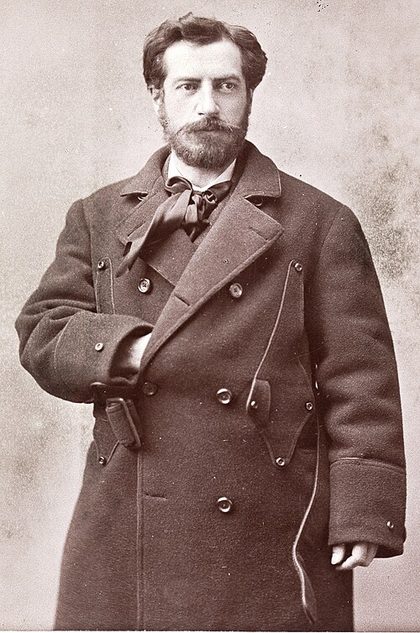
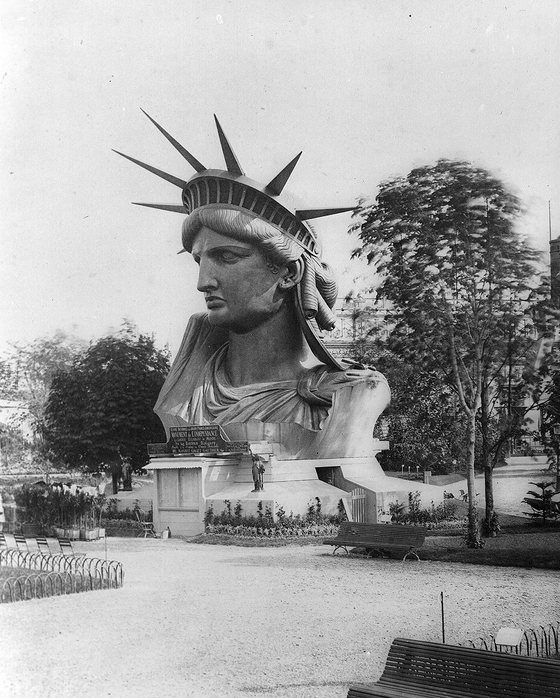
French craftsmen began building the statue in 1876 under Bartholdi's direction. The park service says the arm holding the torch was finished that year and shown at the Centennial Exposition in Philadelphia, and the head and shoulders were finished in 1878 and shown at the Paris Universal Exposition. The whole statue was assembled in Paris between 1881 and 1884.
The structure inside is not Bartholdi's alone. The park service names the engineering firm Eiffel and Company as the statue's engineer, and says Alexandre-Gustave Eiffel's iron framework was the first piece put back together on the island. The copper skin was shaped by the repoussé technique, hammering thin copper sheets over a form, developed by Eugene Viollet-le-Duc. The exterior is copper, and the park service says it turned green naturally through oxidation.
The pedestal was an American job. The park service says the American Committee for the Statue of Liberty commissioned the architect Richard Morris Hunt to design it, and General Charles P. Stone served as chief engineer for the foundation and pedestal. Hunt's final plan called for poured concrete walls up to 20 feet thick, faced with granite blocks, and the park service says that concrete was the largest mass of poured concrete at the time. The island already held Fort Wood, an 11-point star-shaped fort, and the pedestal sits within its walls.
Paying for it was harder than building it. In 1883 the poet Emma Lazarus wrote "The New Colossus" for an art exhibition that raised money for the pedestal fund, and a plaque with the sonnet is now in the pedestal. In 1884, with the statue due to ship the next year, the park service says money for the pedestal ran out and work stopped. In 1885 the New York World publisher Joseph Pulitzer ran a six-month fund-raising campaign that raised over $100,000.
The statue was presented to Levi P. Morton, the American minister to France, in Paris on July 4, 1884. It was taken apart, shipped on the French Navy ship Isère, and reached New York Harbor on June 17, 1885, where it waited in storage for a year while the pedestal was finished. The park service says the crew that reassembled it in 1886 included many new immigrants, and that they worked without scaffolding, using steam-driven cranes and derricks.
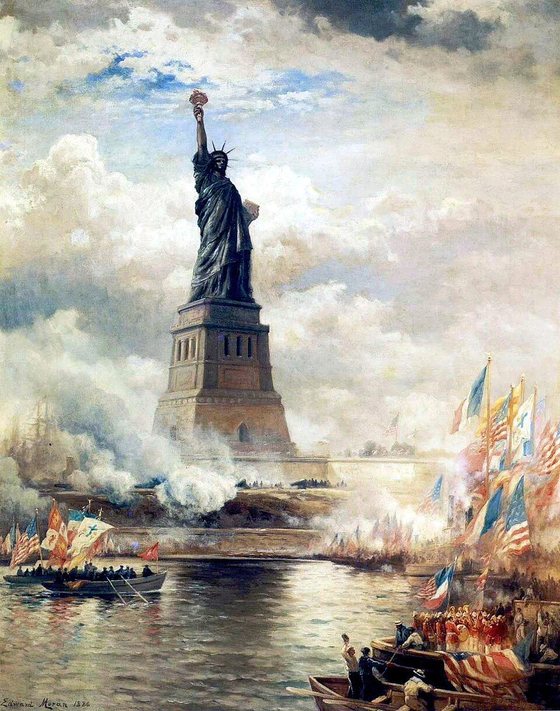
The dedication was on October 28, 1886. The park service says the day was wet and foggy and that about one million New Yorkers turned out anyway. Its chronology calls the parade for the dedication the city's first ticker-tape parade, and describes a water parade of about 300 vessels. When Bartholdi released the French flag that veiled the statue's face, guns, whistles and applause went off. President Grover Cleveland accepted the statue on behalf of the United States as a gift of friendship from France.
The numbers the park service gives are these. The statue is 151 feet, 1 inch tall, the pedestal is 154 feet, and together they stand 305 feet, 1 inch. The statue weighs an estimated 560,000 pounds, of which 179,200 pounds is copper. The tablet in her left arm reads "July IV, MDCCLXXVI," a reference to July 4, 1776. The park service estimates that the statue and pedestal together cost between $300,000 and $600,000 when they were built.
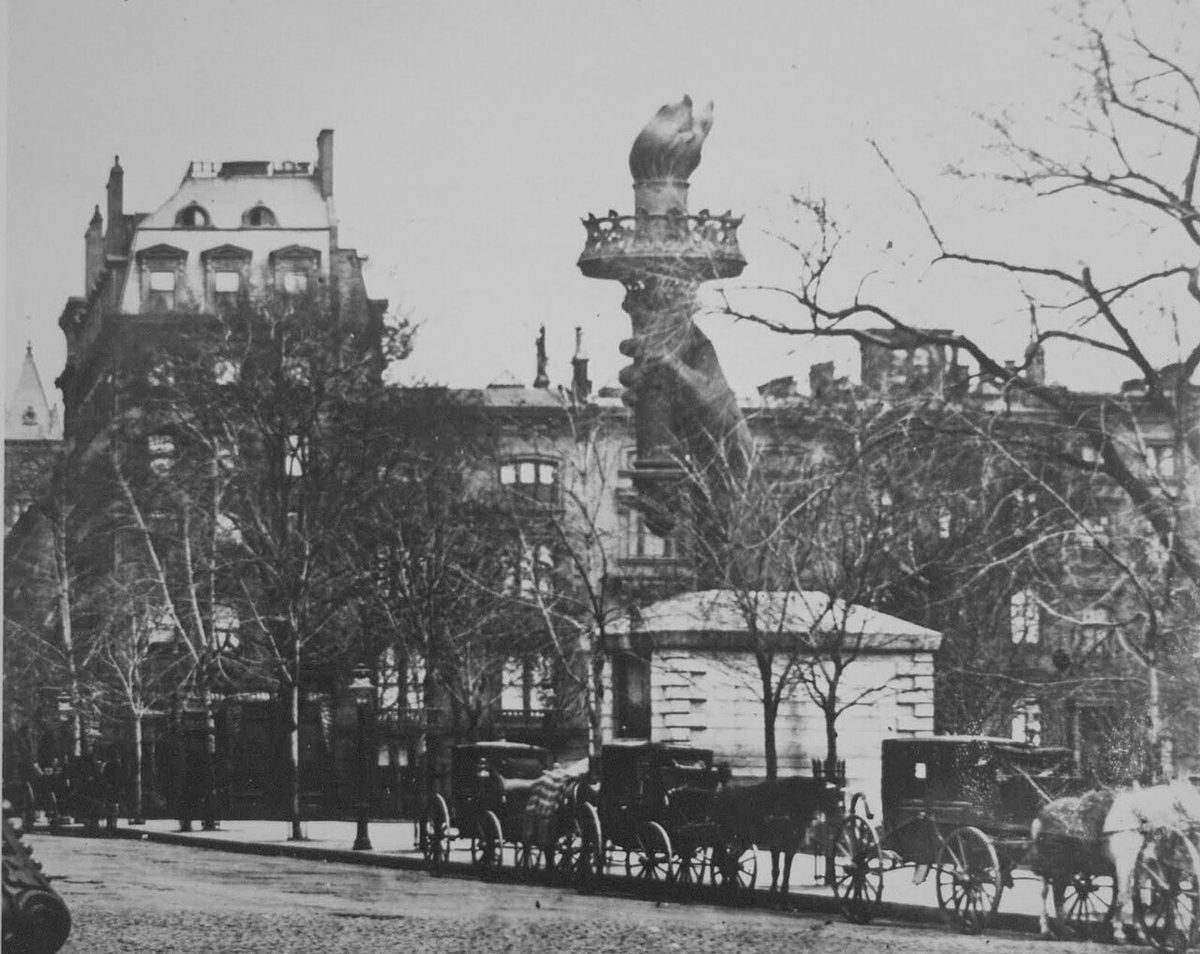
The arm and torch of the Statue of Liberty in Madison Square Park, between 1876 and 1882. Unknown photographer, via Wikimedia Commons. Public domain.
Between the Philadelphia exhibition and 1882, the park service says, the torch stood in Madison Square in Manhattan as part of the fund-raising. The statue's own life after 1886 was a string of changes in who looked after it. Cleveland placed it under the Lighthouse Board in October 1886, it passed to the War Department, and in 1924 President Calvin Coolidge designated it a National Monument under the Antiquities Act. It moved to the National Park Service in 1933.
The largest repair came in the 1980s. The park service says restoration began in 1984, replaced the rusted iron armature bars with stainless steel, stripped coatings from the interior of the copper skin, and built a new torch covered in gold leaf. The monument reopened on July 5, 1986, and the statue's centennial was celebrated on October 28, 1986.
Who owns the Statue of Liberty today?
The National Park Service runs it as the Statue of Liberty National Monument, and its pages describe the statue as sitting on Liberty Island in New York Harbor. The sources used here do not include a deed or other title record, so this article reports who manages the monument, not the form of ownership.
Sources
- National Park Service, Statue of Liberty Facts
- National Park Service, Creating the Statue of Liberty
- National Park Service, Liberty Island Chronology
Visiting the Statue of Liberty
- Getting there: Ferries to Liberty Island leave from The Battery in Lower Manhattan (GPS address 1 Battery Place, New York, NY 10004) and from Liberty State Park in Jersey City. The park service says Statue City Cruises is the only authorized ticket seller and the only ferry service that lands on the islands.
- Tickets: General admission covers both Liberty Island and Ellis Island, including the Statue of Liberty Museum and the Ellis Island National Museum of Immigration. Pedestal and crown access are limited and must be bought in advance. The park service says the crown is a walk of 162 steps up from the statue's feet, with no elevator, and that the time on a ferry ticket is the time to join the security screening line, not a boat time.
Checked against the National Park Service Plan Your Visit and Directions pages in October 2026. Hours, prices and access change, so confirm before you go.